

Do Hearing Aids Help Tinnitus?
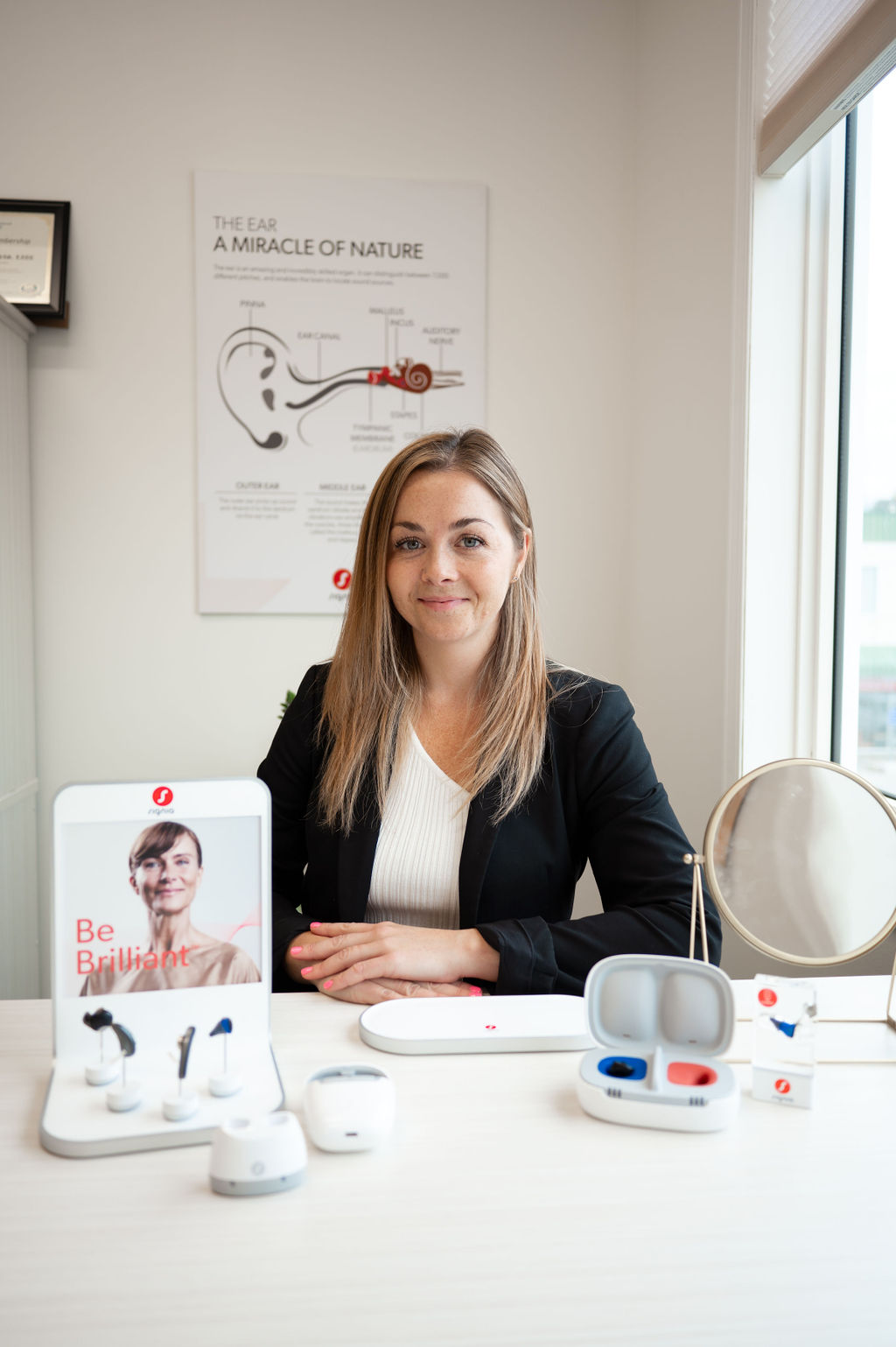
That ringing may seem loudest when the room gets quiet, when you are trying to fall asleep, or when a conversation already feels hard to follow. If you have been asking, do hearing aids help tinnitus, the short answer is yes - for many people, they can. But the better answer is that it depends on why the tinnitus is happening, whether hearing loss is part of the picture, and how well the devices are selected and programmed.
Tinnitus is not a disease by itself. It is a symptom, often described as ringing, buzzing, humming, hissing, or even a pulsing sound in the ears. Some people hear it occasionally. Others notice it every day. For many adults, tinnitus and hearing loss show up together, which is one reason hearing aids are often part of a treatment plan.
Why hearing aids can help tinnitus
In many cases, tinnitus becomes more noticeable when the brain is not getting enough sound input from the world around you. Hearing loss reduces access to everyday sounds like speech, traffic, fans, birds, and background activity. When that input drops, the internal tinnitus sound can stand out more.
Hearing aids can help by amplifying the sounds you are missing. That does not mean they cure tinnitus. What they often do is make outside sound more available, which can reduce the contrast between the tinnitus and your environment. When the brain has more meaningful sound to focus on, the ringing may seem softer, less intrusive, or easier to ignore.
This is especially true for people who notice both hearing difficulty and tinnitus at the same time. If you struggle to hear in restaurants, need the TV louder than others prefer, or feel like people are mumbling, hearing aids may address two concerns at once.
More sound, less contrast
A useful way to think about tinnitus is contrast. In a very quiet environment, tinnitus often feels sharper because there is nothing competing with it. Hearing aids increase access to soft and moderate sounds throughout the day. That added input can make tinnitus less prominent, even if the sound has not disappeared completely.
Less listening strain
Tinnitus can be exhausting, and so can untreated hearing loss. When you are constantly working to catch words, your attention stays locked on listening effort. Properly fitted hearing aids can reduce that strain. Many patients find that when listening becomes easier, their tinnitus also feels less stressful.
Better engagement in daily life
Tinnitus tends to feel worse when people are isolated, tired, or frustrated. Hearing aids can improve communication, which often helps people stay socially active and less focused on the internal noise. That emotional piece matters. Tinnitus is not only about sound volume. It is also about how much the sound disrupts your day.
Do hearing aids help tinnitus for everyone?
Not always. Hearing aids are most likely to help when tinnitus is linked with measurable hearing loss. If your hearing test is normal, hearing aids may not be the first recommendation. That does not mean nothing can be done. It just means the treatment approach may be different.
Some people have tinnitus caused by noise exposure, age-related hearing changes, earwax buildup, certain medications, jaw issues, stress, or other medical factors. In those cases, the right next step may be a hearing evaluation, medical follow-up, tinnitus counseling, sound therapy, or a combination of approaches.
There is also a timing issue. People sometimes expect immediate silence the moment they put hearing aids on. That is usually not how it works. Relief can be gradual. The brain often needs time to adjust to restored sound and learn to treat the tinnitus as less important.
What hearing aids can and cannot do
Hearing aids can reduce awareness of tinnitus, improve communication, and make quiet environments feel less stark. For many people, that is meaningful relief. But they are not a guaranteed cure, and they do not work the same way for every patient.
They also do not replace a proper assessment. If tinnitus is one-sided, sudden, pulsating, or paired with dizziness, ear pain, or a sudden change in hearing, that deserves prompt professional attention. Those situations may require medical evaluation before hearing aids are considered.
The goal is not to promise more than the technology can deliver. The goal is to find out what is driving your symptoms and recommend care that fits your hearing, your lifestyle, and your budget.
Types of hearing aid features that may help
When people ask whether hearing aids help tinnitus, they are often really asking what kind of hearing aid helps. The answer depends on the person, but a few features commonly matter.
First, accurate amplification is key. A hearing aid has to be programmed to your hearing loss, not just turned up in a general way. If speech still sounds unclear or sharp, or if environmental sounds feel unnatural, tinnitus relief may be limited.
Second, some hearing aids include tinnitus sound support features. These may add soft masking sounds like white noise or gentle ocean-style sound patterns. For some patients, these features are helpful, especially in quieter settings. For others, regular amplification alone does most of the work.
Third, comfort matters more than people expect. If hearing aids whistle, feel irritating, or sound harsh, you are less likely to wear them consistently. And consistency matters. Tinnitus support usually works best when hearing aids are worn regularly during waking hours.
Do tinnitus masking features always help?
Not necessarily. Some people love them. Others prefer the natural environmental sound provided by standard amplification. This is where personalized fitting matters. Tinnitus management should not be one-size-fits-all.
Why a hearing test matters first
Before choosing any device, it helps to know whether hearing loss is present, what type it is, and how severe it may be. A full hearing assessment gives that information. It also helps rule out simpler issues like wax buildup and points toward the most sensible next step.
For tinnitus, the conversation should go beyond the hearing test itself. A provider should ask when the tinnitus started, what it sounds like, whether it changes during the day, how much it affects sleep or concentration, and whether there are triggers like stress or noise exposure. Those details shape the care plan.
At a clinic focused on individualized hearing care, the recommendation should match the actual need. Some patients need hearing aids. Some need tinnitus counseling and monitoring. Some need a medical referral. Honest care starts there.
What to expect if you try hearing aids for tinnitus
The first few weeks are often an adjustment period. You may notice more environmental sounds than you are used to, from footsteps to dishes to the refrigerator motor. That is normal. Your brain has to relearn which sounds matter and which can fade into the background.
During that same period, tinnitus may begin to feel less dominant. For some people, the change is obvious within days. For others, it takes several follow-up visits and programming adjustments. This is one reason ongoing support matters. A hearing aid fitting should not be treated like a one-time retail transaction.
You should also expect some honest discussion about cost, technology level, and service. Not every person with tinnitus needs the most expensive device. What matters is whether the hearing aid addresses your hearing profile and whether you have access to proper follow-up care if settings need to change.
Windsor Park Hearing Centre takes a transparent approach to hearing care, which can be especially helpful for patients comparing options and trying to understand what they are actually paying for.
When hearing aids are part of a bigger tinnitus plan
Tinnitus management often works best when it combines a few practical strategies. Hearing aids may be one piece. Sound enrichment at night, stress management, realistic counseling, and protecting your ears from excessive noise can all help support better outcomes.
Sleep also matters. Tinnitus usually feels louder when you are overtired or lying in a silent room. A bedside sound source, fan, or low-level background audio can make nights easier, even if you wear hearing aids during the day.
If anxiety is making tinnitus feel overwhelming, that deserves attention too. The sound is real, but distress can amplify it. Good tinnitus care looks at both sides of the experience - what you hear and how much it is affecting your quality of life.
So, do hearing aids help tinnitus?
For many adults, yes. If tinnitus is connected to hearing loss, hearing aids can make a real difference by restoring access to sound, reducing listening effort, and helping the brain pay less attention to the ringing. They are not a cure, and they are not the right answer for every case, but they are one of the most effective tools available when hearing loss and tinnitus occur together.
If ringing in your ears is starting to affect your sleep, focus, or conversations, it is worth getting answers instead of guessing. The most helpful next step is not choosing a device online. It is getting a professional evaluation that looks at the full picture and gives you a plan you can feel confident about.


Comments