

How to Compare Hearing Aid Pricing
- Megan Stanley
- Jun 28
- 5 min read
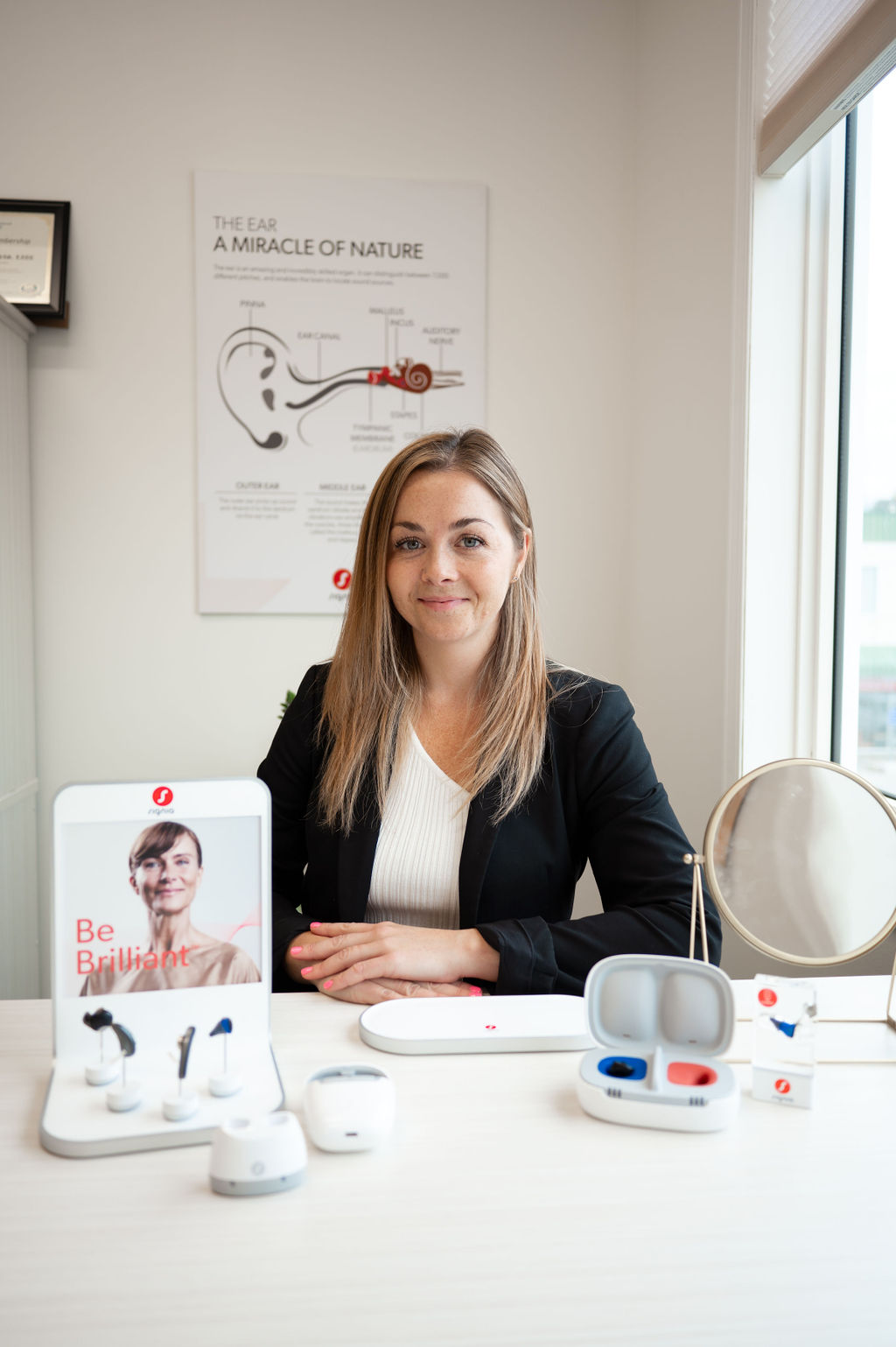
Sticker shock is common when people first start shopping for hearing aids. One office quotes a few thousand dollars, another gives a much lower number, and a third seems hard to pin down at all. If you are wondering how to compare hearing aid pricing fairly, the key is to look beyond the first number you hear and understand exactly what is included.
Hearing aids are not one-size-fits-all products. They are part medical device, part customized technology, and part ongoing professional care. That is why comparing prices can feel confusing. Two quotes may look similar on the surface, yet represent very different levels of technology, service, follow-up, and long-term value.
Why hearing aid prices vary so much
The price of a hearing aid is influenced by more than the device itself. Technology level plays a major role. Basic models may help in quieter settings, while more advanced options are designed to improve speech clarity in noise, support Bluetooth connectivity, reduce listening effort, and adapt more automatically to changing environments.
Style also affects cost. Behind-the-ear and receiver-in-canal models are common and often offer a wide range of features. Smaller in-ear styles may cost more in some cases because of custom manufacturing, and they are not always the best choice for every hearing loss or dexterity need.
Then there is the care component. Hearing aids usually require testing, fitting, programming, verification, adjustments, maintenance, and ongoing support. Some clinics bundle all of that into one large price. Others separate the technology cost from the professional services. Neither approach is automatically wrong, but if you do not know which model you are being quoted under, it becomes almost impossible to compare apples to apples.
How to compare hearing aid pricing the right way
Start by asking every provider for a detailed written quote. A simple verbal estimate is not enough. You want to see the hearing aid brand, model or technology tier, style, and exactly which services are included. If one quote includes the devices only and another includes a full year of care, the lower number may not actually be the better deal.
Ask whether the pricing is bundled or unbundled. Bundled pricing combines the hearing aids and professional care into one package. Unbundled pricing separates them, so you can see what you are paying for the devices and what you are paying for clinical services. Many patients find unbundled pricing easier to understand because it creates more transparency and lets them pay for the level of care they actually want or need.
It also helps to compare the time horizon. A higher initial quote may include several years of follow-up visits, while a lower quote may only cover the fitting appointment. If you are likely to need regular adjustments, wax management, cleanings, or support learning how to use the devices, service coverage matters.
What should be included in a hearing aid quote?
A trustworthy quote should spell out more than the device price. It should explain the professional services attached to the purchase and any additional fees you may encounter later.
Look for details such as the hearing evaluation, fitting appointment, real-ear measurement or verification, follow-up adjustments, routine clean-and-check visits, warranty coverage, loss and damage protection, and trial period terms. Batteries or charger costs may matter too, depending on the model.
This is where many buyers get tripped up. A low advertised price may leave out programming, future office visits, or replacement parts. Over time, those extra costs can add up. On the other hand, an expensive package may include services you may not use. The best value depends on your hearing needs, lifestyle, and how much support you want after the fitting.
Compare total cost, not just upfront cost
When people compare hearing aid pricing, they often focus on the first invoice. That makes sense, but it is not the whole story. The better question is what your total cost of ownership will look like over the next several years.
For example, rechargeable hearing aids may cost more upfront but save money and hassle compared with disposable batteries. A strong repair warranty may reduce future out-of-pocket costs. A clinic that provides ongoing fine-tuning can also improve performance enough that you keep and use your devices consistently, which matters far more than finding the cheapest number and ending up dissatisfied.
There is also the cost of under-treating hearing loss. If a lower-priced option does not match your listening demands, you may still struggle in restaurants, family gatherings, or meetings at work. In that case, what looked affordable may not deliver the benefit you were hoping for.
Questions to ask before you decide
A good provider should welcome clear questions. Ask what level of technology is being recommended and why. Ask whether a less expensive model could still meet your needs or whether certain features are likely to make a meaningful difference in your daily life.
You should also ask how many follow-up visits are included, what happens if your hearing changes, and whether future reprogramming carries a separate fee. If insurance, third-party funding, or workplace benefits may help, ask whether the office can explain those options and what paperwork is available.
Another practical question is the trial or return policy. Hearing aids often take time to adjust to. Knowing the terms in advance can give you confidence and prevent unpleasant surprises.
How unbundled pricing can make comparison easier
One reason hearing aid shopping feels frustrating is that many quotes combine products and services into a single number. That can make it hard to know whether you are paying for premium technology, extensive follow-up care, or both.
With unbundled pricing, the breakdown is clearer. You can see the cost of the hearing aids themselves and the cost of the clinical services separately. For practical buyers, this can be a more honest way to compare providers because it shows where the money is going.
At Windsor Park Hearing Centre, this transparent approach reflects how many families prefer to make healthcare decisions. Some people want comprehensive service plans. Others want flexibility. Separating those costs can reduce confusion and help patients feel more in control.
Don’t overlook provider expertise
Price matters, but so does the quality of care behind the devices. A hearing aid that is poorly selected or poorly programmed may underperform even if it is top-tier technology. In contrast, a well-fitted mid-level device can often provide excellent results when supported by careful testing, thoughtful counseling, and follow-up.
That is why it helps to compare providers, not just products. Consider whether you are working with a licensed audiologist or hearing care professional, whether the clinic offers personalized recommendations, and whether you feel listened to rather than rushed. Hearing care is an ongoing relationship, not just a retail transaction.
Red flags when comparing hearing aid prices
Be cautious if pricing is vague, if you feel pressure to buy immediately, or if a provider avoids giving a written breakdown. A trustworthy clinic should be able to explain what you are buying in plain language.
You should also be wary of quotes that sound unusually low without a clear explanation of service limitations, warranty terms, or model details. Sometimes a low number is legitimate. Sometimes it reflects older technology, fewer appointments, or missing support that you may later need.
The goal is not to find the cheapest hearing aids. It is to find the right combination of technology, professional care, and transparency for your situation.
A better way to think about value
The best hearing aid purchase is rarely the one with the smallest price tag. It is the one that helps you hear conversations more clearly, participate more comfortably, and feel supported after you leave the office.
If you take the time to compare hearing aid pricing carefully, ask for written details, and understand the difference between device cost and service cost, you will be in a much stronger position to make a confident decision. Better hearing is personal, and the pricing should be clear enough to let you choose what truly fits your needs.



Comments