

Hearing Test for Adults: What to Expect
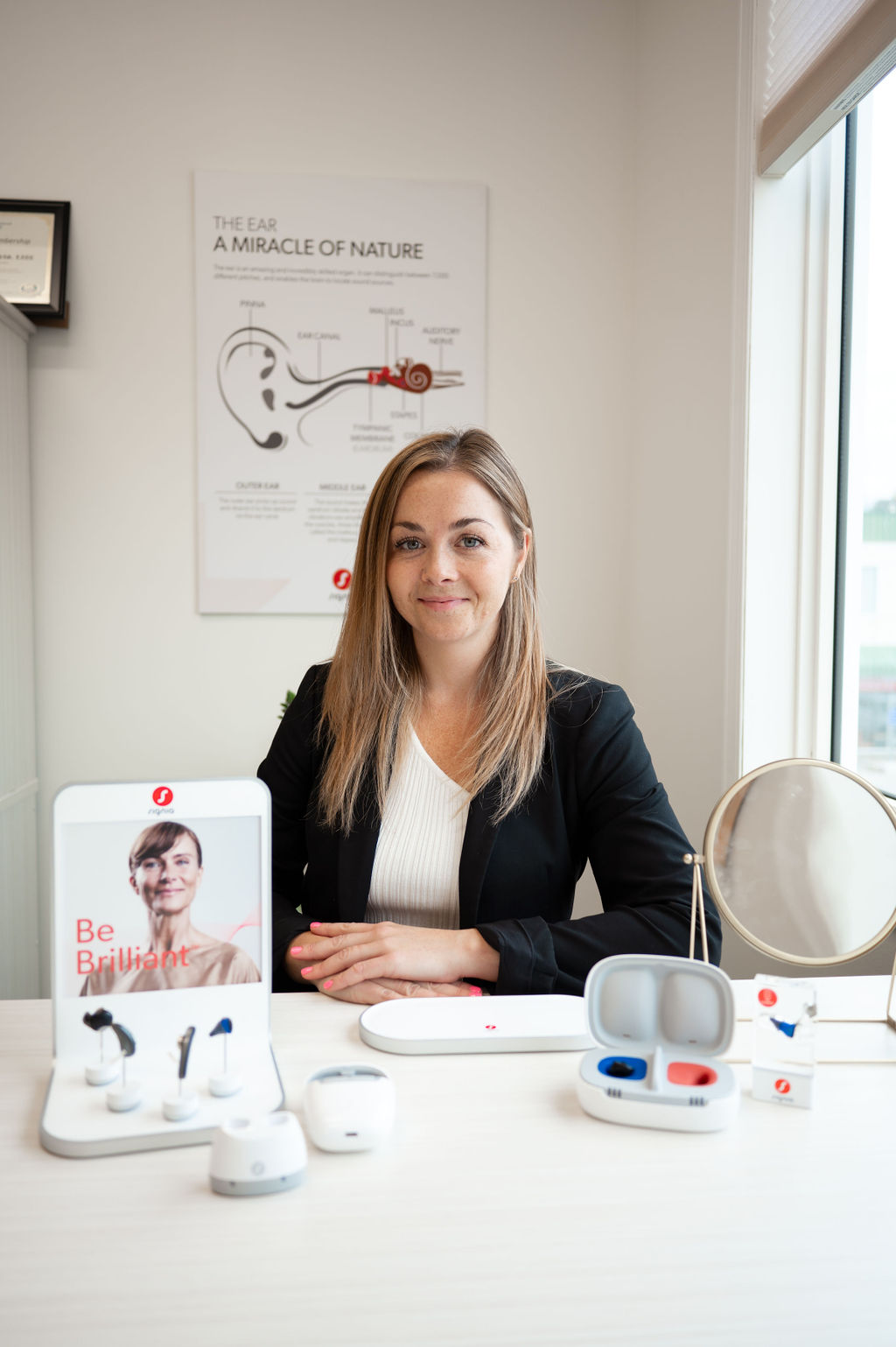
You may not notice hearing loss all at once. More often, it shows up in small frustrating moments - asking people to repeat themselves, turning the TV up higher, or feeling worn out after trying to follow conversations in a busy room. A hearing test for adults helps identify what is actually happening, so you can stop guessing and start getting clear answers.
For many adults, the biggest hurdle is not the test itself. It is deciding whether their symptoms are serious enough to check. If you have been hearing but not understanding, avoiding phone calls, or noticing ringing in your ears, that is reason enough to schedule an appointment. Hearing changes can affect communication, work, safety, and social connection long before they feel dramatic.
Why a hearing test for adults matters
Hearing loss is common, and it does not only affect older adults. Noise exposure, certain medications, earwax buildup, infections, genetics, and normal aging can all play a role. Some changes happen gradually, which makes them easy to dismiss.
The problem is that untreated hearing loss rarely stays neatly contained. It can strain relationships, make meetings harder to follow, and cause people to withdraw from social situations they once enjoyed. When listening becomes work, many adults simply start participating less.
A professional hearing evaluation gives you more than a pass-or-fail result. It helps show whether the issue is related to the outer ear, middle ear, inner ear, or auditory nerve, and whether it may be temporary, medically treatable, or best managed with hearing technology and follow-up care.
Signs it may be time to book
Some people come in because family members are concerned. Others book after they realize they are relying on subtitles every night. Both are valid reasons.
You may benefit from a hearing test if speech sounds muffled, you struggle in restaurants or group settings, people seem to mumble, or you have tinnitus. It is also worth checking if one ear seems worse than the other, if you have a history of loud noise exposure, or if hearing problems are affecting your confidence at work.
Even if the results show only mild changes, that information is useful. Mild hearing loss can still make daily communication tiring, especially in places with background noise.
What happens during a hearing test for adults
A proper adult hearing assessment is straightforward, noninvasive, and usually comfortable. Most appointments begin with a conversation about your symptoms, health history, medications, noise exposure, and any concerns about tinnitus, dizziness, or ear discomfort. This matters because your test results make more sense when they are connected to your real-life listening challenges.
Next, the clinician will usually look in your ears with an otoscope. Sometimes the problem is as simple as impacted earwax or visible irritation. If that is the case, the next step may be ear care or medical follow-up rather than hearing aids.
You will then move into the testing portion. Pure-tone testing checks the softest sounds you can hear at different pitches through headphones or inserts. Speech testing measures how well you hear and understand words, not just tones. That distinction is important because some adults can detect sound reasonably well but still struggle to understand speech clearly.
Additional measures may be included depending on your symptoms. Tympanometry helps assess how the middle ear is functioning and can point to fluid, pressure problems, or eardrum issues. If tinnitus is part of the picture, your provider may also ask detailed questions about when it occurs, how often you notice it, and how much it affects sleep, concentration, or stress.
Does the test hurt?
No. A hearing test should not be painful. The most common reaction is relief - relief that the process is simpler than expected, and relief that someone is finally helping make sense of the problem.
If your ears are very sensitive or blocked with wax, you may feel mild discomfort during the ear exam, but the hearing tests themselves involve listening and responding. There are no needles, and no recovery time is needed afterward.
Understanding your results
One of the most valuable parts of the appointment is reviewing the findings in plain language. You should leave knowing whether your hearing is within normal limits, whether there is mild, moderate, or greater hearing loss, and how that pattern relates to the trouble you are having day to day.
Not every test result leads to the same recommendation. Sometimes the best next step is monitoring your hearing over time. Sometimes it is medical referral. Sometimes it is hearing aids, assistive listening technology, communication strategies, or tinnitus support. Good care is not about pushing one answer. It is about matching the plan to the person.
This is also where transparency matters. If hearing aids are discussed, you should understand what part of the cost is tied to the devices and what part is tied to professional services like fitting, programming, and follow-up. That kind of clarity helps adults make informed decisions without feeling pressured.
What if you need hearing aids?
Many adults worry that a hearing test automatically leads to a sales pitch. That concern is understandable, especially if you have heard stories about high-pressure hearing aid appointments.
A trustworthy clinic will explain the full picture first: what your test shows, whether hearing aids are likely to help, what styles may fit your hearing loss and lifestyle, and what other support may be useful. If your hearing loss is mild, your needs may be different from someone who struggles in nearly every listening environment. If you work in noisy settings, stream calls all day, or spend time with grandchildren, those details should shape the recommendation.
The right hearing aid is not just about sound amplification. Comfort, dexterity, budget, maintenance, and follow-up care all matter. Some adults want the most discreet option possible. Others care more about battery life, Bluetooth features, or easier handling. There is rarely one perfect choice for everyone.
When an adult hearing test shows something else
Hearing difficulty is not always caused by permanent hearing loss. Earwax buildup can reduce hearing and create a plugged sensation. Middle ear issues can affect sound clarity. Tinnitus may occur with or without measurable hearing loss. Sudden hearing changes, ear pain, drainage, or severe dizziness deserve prompt medical attention.
That is why a thorough evaluation is so important. It helps separate common, manageable problems from issues that should be assessed more urgently. If a medical referral is appropriate, you should be told clearly and without delay.
How often should adults get their hearing checked?
It depends on age, risk, and symptoms. If you have noticed changes, do not wait for them to become severe. Adults with tinnitus, regular noise exposure, a family history of hearing loss, or existing hearing aid use often benefit from more consistent monitoring.
If your hearing seems stable and you have no major concerns, a baseline test can still be helpful. It gives you a reference point for the future and makes it easier to detect gradual changes that might otherwise be missed.
Choosing where to book
Not all hearing care feels the same. Some adults want the speed of a retail setting. Others want a clinic that takes time to explain results, answer questions, and build a care plan around their actual needs. For most people, especially those making decisions about long-term hearing support, that second approach tends to be more reassuring.
At Windsor Park Hearing Centre, that means focusing on personalized care, clear explanations, and transparent options so adults can move forward with confidence. Hearing care works best when you feel informed, respected, and supported after the appointment, not just during it.
If hearing has become harder than it used to be, getting tested is a practical first step. Clearer hearing can improve more than conversations - it can make daily life feel easier, less tiring, and more connected.


Comments