

What to Expect at a Hearing Aid Fitting Appointment
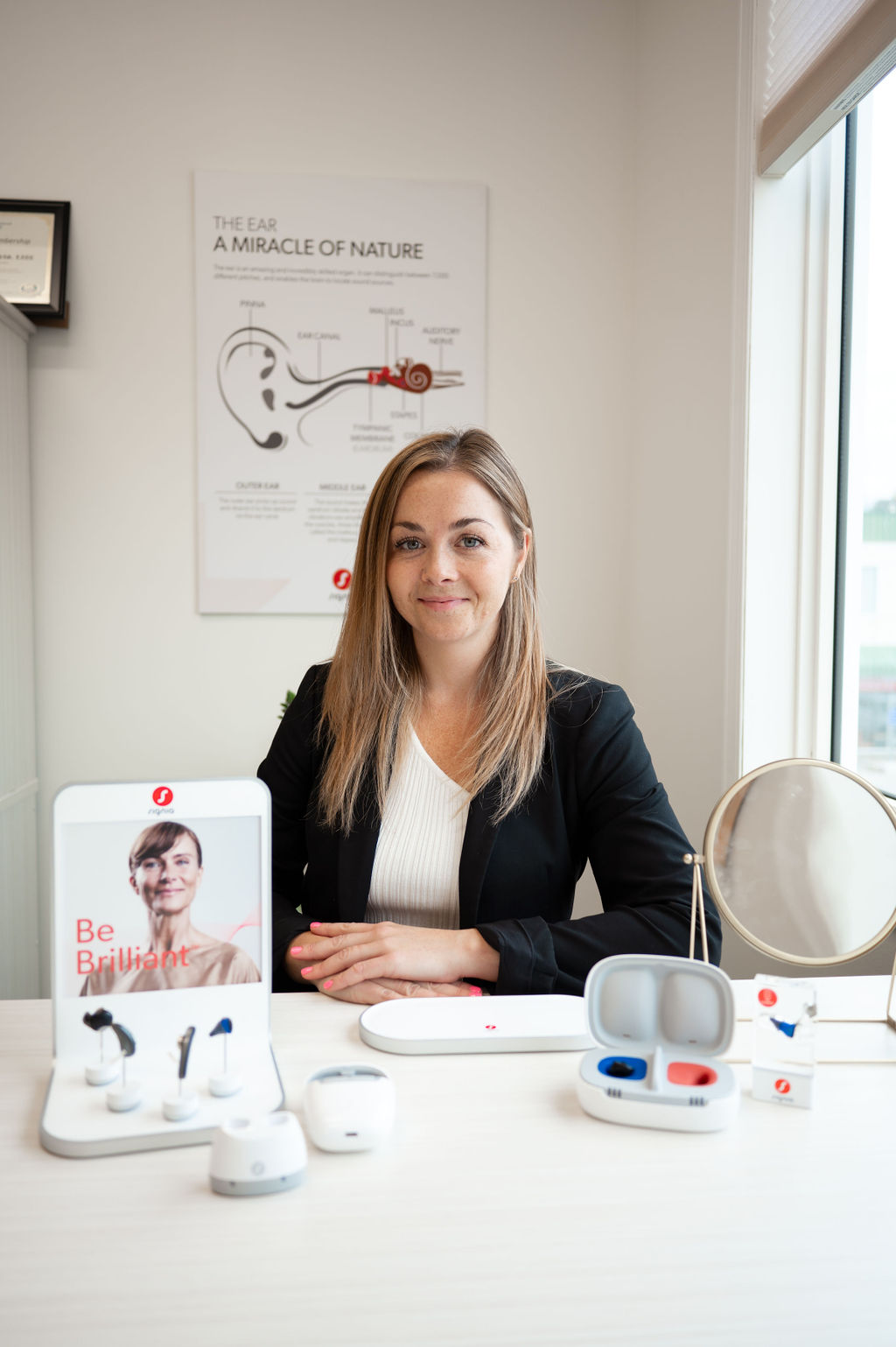
The first time you sit down for a hearing aid fitting appointment, the biggest question is usually simple: Will these actually help me hear better in real life? Not just in a quiet office, but at the dinner table, on the phone, in the car, and when grandkids are talking fast. That appointment is designed to answer exactly that.
A proper fitting is not just a handoff where someone gives you hearing aids and sends you home. It is a clinical appointment focused on comfort, sound quality, and realistic expectations. When it is done well, you leave knowing how to use your devices, what will sound different at first, and what support is available if adjustments are needed.
Why a hearing aid fitting appointment matters
Hearing aids are medical devices, but they are also highly personal. Two people with similar hearing test results may still need different settings, different styles, and different guidance based on lifestyle, dexterity, work demands, and comfort preferences.
That is why a hearing aid fitting appointment matters so much. The goal is not simply to turn the devices on. The goal is to program them to your hearing needs, check that they physically fit well, and make sure you feel confident using them day to day.
This is also the point where good care becomes very different from a sales-driven experience. You should be able to ask direct questions about performance, maintenance, follow-up visits, and cost. Clear answers matter, especially if you are comparing service models or trying to understand what is included and what is billed separately.
What happens during the appointment
Most fittings begin with a review of your hearing test, your hearing goals, and the type of environments that matter most to you. For one person, that may be church services and family dinners. For another, it may be meetings at work, television clarity, and hearing in background noise.
Your provider will then check the hearing aids themselves. This includes confirming the correct device style, receiver or tubing length if applicable, ear dome or earmold fit, and battery or charging setup. Physical comfort is more important than many people expect. If a hearing aid feels loose, overly tight, or awkward from the start, it is less likely to be worn consistently.
Next comes programming. The devices are connected to specialized software and adjusted based on your hearing test results. In many clinics, real-ear measurements are also used. This step measures how sound is actually delivered in your ear canal rather than relying only on factory estimates. It is one of the best ways to make sure the fitting is accurate.
After that, you will listen. Your provider may speak with the hearing aids in place, test different sound levels, and ask for your feedback. Some sounds may seem sharper or brighter than expected at first. That does not always mean the settings are wrong. If you have been missing certain sounds for years, your brain often needs time to get used to hearing them again.
The questions your provider should ask
A strong hearing aid fitting appointment is a conversation, not a one-way explanation. You should expect questions about where you struggle most, whether your own voice sounds natural, whether background noise feels overwhelming, and whether the devices feel secure.
You may also be asked about your experience with phones, television, glasses, masks, hats, or workplace equipment. These details can affect both comfort and device selection. Someone who wears glasses every day may need a different behind-the-ear setup than someone who does not. A person with arthritis may need simpler controls or a rechargeable model instead of small disposable batteries.
This is also the right time to mention tinnitus if it affects you. Some hearing aids include sound support features that can help, but those settings need to be discussed and customized.
What you will learn before you leave
By the end of the appointment, you should know how to insert and remove the hearing aids, how to charge them or change batteries, how to clean them, and how to tell when something is not working properly. You should also understand the basic controls, whether that means push buttons, a phone app, or automatic programs.
Many people worry they will forget everything once they get home. That is normal. A good provider will pace the education, repeat key steps, and make room for questions. Written instructions or follow-up support can make a big difference, especially in the first few weeks.
You should also leave with a realistic sense of what to expect. Hearing aids can make speech clearer and reduce strain, but they do not restore natural hearing in every setting. Restaurants, large group conversations, and noisy gatherings may still be challenging. Better hearing is usually a process of improvement, adjustment, and practice rather than an overnight fix.
What to bring to a hearing aid fitting appointment
If possible, bring your glasses, your cell phone, and a list of questions. If a family member or close friend regularly helps with medical decisions or notices your hearing difficulties, it can be useful to bring them too. A second set of ears often helps people remember instructions and share real-life listening goals.
It is also worth mentioning any concerns about budget, insurance, or service fees during the appointment. Hearing care should feel clear, not confusing. If pricing is separated between devices and professional services, that can actually make it easier to understand what you are paying for and which follow-up care you want included.
The first few weeks after the fitting
This is where patience matters. Many first-time users expect immediate comfort in every environment, but adjustment takes time. Everyday sounds such as footsteps, paper rustling, running water, or the hum of the refrigerator may suddenly seem much more noticeable. That is common.
The goal in the early days is not perfection. It is consistent wear and honest feedback. Wearing the devices regularly helps your brain adapt. Avoiding them because things sound strange usually slows the process down.
Some people do very well right away. Others need several follow-up adjustments before the settings feel right. That does not mean the hearing aids are failing. It means the fitting process is working the way it should. Hearing care is rarely one appointment and done.
Why follow-up care is part of the fitting process
The hearing aid fitting appointment is the starting point, not the finish line. Follow-up visits allow your provider to fine-tune the sound, address discomfort, check physical fit, and troubleshoot issues such as feedback, weak volume, or trouble in noise.
These visits also create space for more specific feedback. Once you have worn the hearing aids at home, at work, and in public places, your comments become much more useful. Saying, "I still struggle when my spouse speaks from another room" or "voices are clear, but dishes clattering are too sharp" gives your provider practical details to work with.
This ongoing relationship is one reason many patients prefer a local clinic with a service-first approach. At Windsor Park Hearing Centre, we see that support as part of good hearing healthcare, not an afterthought.
Signs of a good fitting experience
A good fitting should leave you informed, not pressured. You should understand how your devices work, what kind of adjustment period is normal, and when to come back if something is not right.
You should also feel that recommendations were based on your hearing needs and daily life, not on selling the most expensive option. Sometimes advanced features are worth it, especially for people who spend a lot of time in background noise or on the phone. In other cases, a simpler model may be the better fit. Honest guidance matters more than a flashy sales pitch.
If you are preparing for your first appointment, the best thing you can do is show up ready to talk about your real listening challenges. The more specific you are, the more personalized the fitting can be. Better hearing starts with technology, but it improves through careful adjustment, clear expectations, and support you can count on.


Comments