

In Ear vs Behind Ear: Which Hearing Aid Fits?
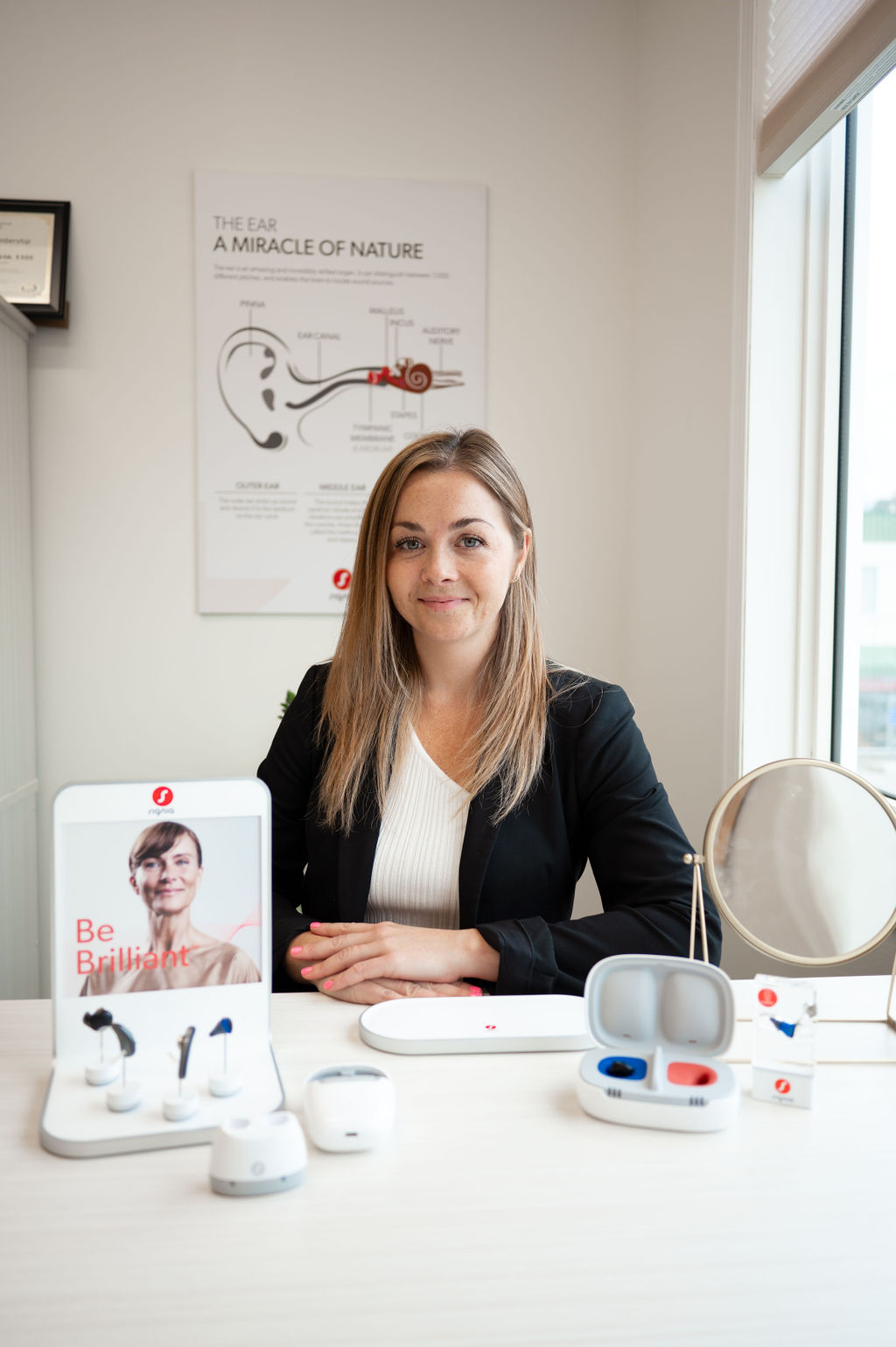
A hearing aid has to work in the moments that matter most: a grandchild speaking softly in the car, a busy restaurant, a meeting at work, or a quiet conversation at home. When comparing in ear vs behind ear hearing aids, appearance is often the first difference people notice. But comfort, hearing needs, hand dexterity, ear anatomy, and daily routine usually matter more than size alone.
There is no single “best” style for everyone. A smaller in-ear device may be a wonderful fit for one person, while another may hear more clearly and manage their device more easily with a behind-the-ear model. The right choice starts with understanding what each style can realistically offer.
In ear vs behind ear hearing aids: the basic difference
In-ear hearing aids sit partly or fully inside the ear. They range from larger custom devices that fill the outer bowl of the ear to very small models that sit deeper in the ear canal. Because they are shaped for the individual ear, custom in-ear devices can feel discreet and secure when properly fitted.
Behind-the-ear hearing aids rest behind the outer ear, with sound delivered into the ear through a slim tube, a custom earmold, or a small receiver placed in the canal. This category includes traditional behind-the-ear, or BTE, devices and receiver-in-canal, or RIC, devices. RIC models are especially common because they are lightweight, discreet, and suitable for many types of hearing loss.
Both styles can provide excellent sound quality. The question is not which one is more advanced in every case. It is which one gives you dependable hearing, comfort, and ease of use in your day-to-day life.
When an in-ear hearing aid may be a good fit
Many people are drawn to in-ear hearing aids because the device is less visible behind the ear. For some, that preference is meaningful. A hearing aid is more likely to be worn consistently when the wearer feels comfortable and confident using it.
Custom in-ear styles can also be convenient for people who wear glasses, oxygen tubing, helmets, or face coverings regularly. With no case behind the ear, there is less equipment competing for that space. They may also reduce some wind noise because the microphones are protected by the outer ear.
The size of an in-ear device affects its features. Larger custom styles can often include more battery capacity, wireless connectivity, rechargeability, directional microphones, and manual controls. Smaller, deep-canal styles are more limited because there is simply less room for technology and power.
Consider earwax, controls, and battery changes
An in-ear device sits in the ear canal, where it is exposed directly to moisture and earwax. Wax is normal and protective, but it can block a hearing aid’s microphone or receiver. People who produce a lot of earwax may need more frequent cleaning and maintenance with an in-ear style.
Very small devices can also be challenging for people with arthritis, reduced vision, tremors, or limited finger strength. Changing tiny batteries, positioning the device correctly, and cleaning narrow openings may take more effort. A larger custom in-ear model can be easier to handle, but it is still worth trying the device during a fitting rather than assuming smaller is always simpler.
In-ear hearing aids are not always the best choice for significant hearing loss. They can be appropriate in some cases, but their smaller components may not provide the power, battery life, or feedback control needed for more severe losses.
Why behind-the-ear styles remain so popular
Behind-the-ear hearing aids have changed considerably from the large, noticeable devices many people remember. Modern BTE and RIC models can be small, slim, and available in colors that blend with hair or skin tone. More importantly, their design allows room for stronger amplification, longer-lasting batteries, and a broad range of features.
For many adults, a RIC hearing aid offers a comfortable middle ground. The main body rests behind the ear, while a thin wire carries sound to a small receiver in the canal. This open fit can reduce the plugged-up feeling some people experience with more enclosed styles, especially when they have mild to moderate hearing loss in the higher pitches.
Behind-the-ear devices are often easier to handle because the controls and battery door, if present, are larger. Rechargeable options are also widely available. Instead of managing small disposable batteries, many wearers place their hearing aids in a charger at night and start the morning with a full day of power.
More flexibility for changing needs
A behind-the-ear style may be a practical choice when hearing needs could change over time. Because these devices have more space for components, they can often accommodate greater amplification and a wider range of programming adjustments.
They are also well suited to custom earmolds when needed. An earmold can provide a secure fit, help manage sound leakage, and deliver more power comfortably. This is particularly helpful for people with more substantial hearing loss or ear canals that make standard domes difficult to retain.
The trade-off is that there is equipment behind the ear. Glasses, masks, and hats can make insertion and removal feel more complicated at first. Some people also notice wind noise around the microphones, although current technology can reduce this in many situations.
Sound quality depends on more than style
It is understandable to wonder whether one style sounds better than the other. In practice, the quality of your hearing depends on several connected factors: your hearing test results, the hearing aid’s programming, the physical fit, and the listening environments that challenge you most.
For example, a person who struggles mainly with conversations in restaurants may benefit from strong directional microphone performance and noise management. Someone who regularly attends meetings may prioritize Bluetooth connectivity for phone calls and streamed audio. A person with tinnitus may want hearing aids that include tinnitus support programs.
The shape of your ear and ear canal matters, too. A device that looks ideal on paper may not sit comfortably or provide the right acoustic seal. This is why a professional hearing assessment and fitting are more valuable than choosing a style based only on an advertisement or a friend’s experience.
Questions to ask before choosing a hearing aid style
Rather than asking only, “Which hearing aid is the smallest?” it can help to think about the practical demands of your life. Consider whether you can comfortably manage small batteries and cleaning tools, whether you wear glasses most days, and whether you need a device that can provide more power.
Think about your typical listening situations as well. Do you want to follow conversation in groups? Are phone calls difficult? Do you spend time outdoors in wind, work in noisy settings, or attend family gatherings often? These answers guide the feature recommendations as much as the physical style.
Cost should be discussed clearly, too. Device style can influence price, but a higher-priced device is not automatically the right device. It is reasonable to ask what technology is included, what follow-up care covers, and what future service may cost. Transparent, unbundled pricing can make it easier to understand what you are paying for and choose care that matches your needs.
A fitting should feel practical, not pressured
A hearing aid fitting is an opportunity to test how a device feels in your hands and on your ears, not a moment to be rushed into a decision. Your provider should review your hearing results, discuss realistic goals, and explain why a particular style is being recommended.
You should also receive guidance on insertion, removal, cleaning, charging or battery changes, and what to expect during the adjustment period. Hearing aids are programmed to your hearing loss, but your brain also needs time to adapt to hearing sounds it has been missing. Follow-up appointments allow for fine-tuning based on your real experiences at home, work, and social events.
At Windsor Park Hearing Centre, personalized recommendations begin with listening to what you want to hear better, not simply selecting the most expensive technology or the smallest device.
The best hearing aid is the one you can wear comfortably, manage confidently, and rely on when life gets noisy. If you are deciding between an in-ear and behind-the-ear option, a professional assessment can turn a confusing choice into a clear next step toward easier conversations.


Comments