

Best Hearing Aids for Conversations
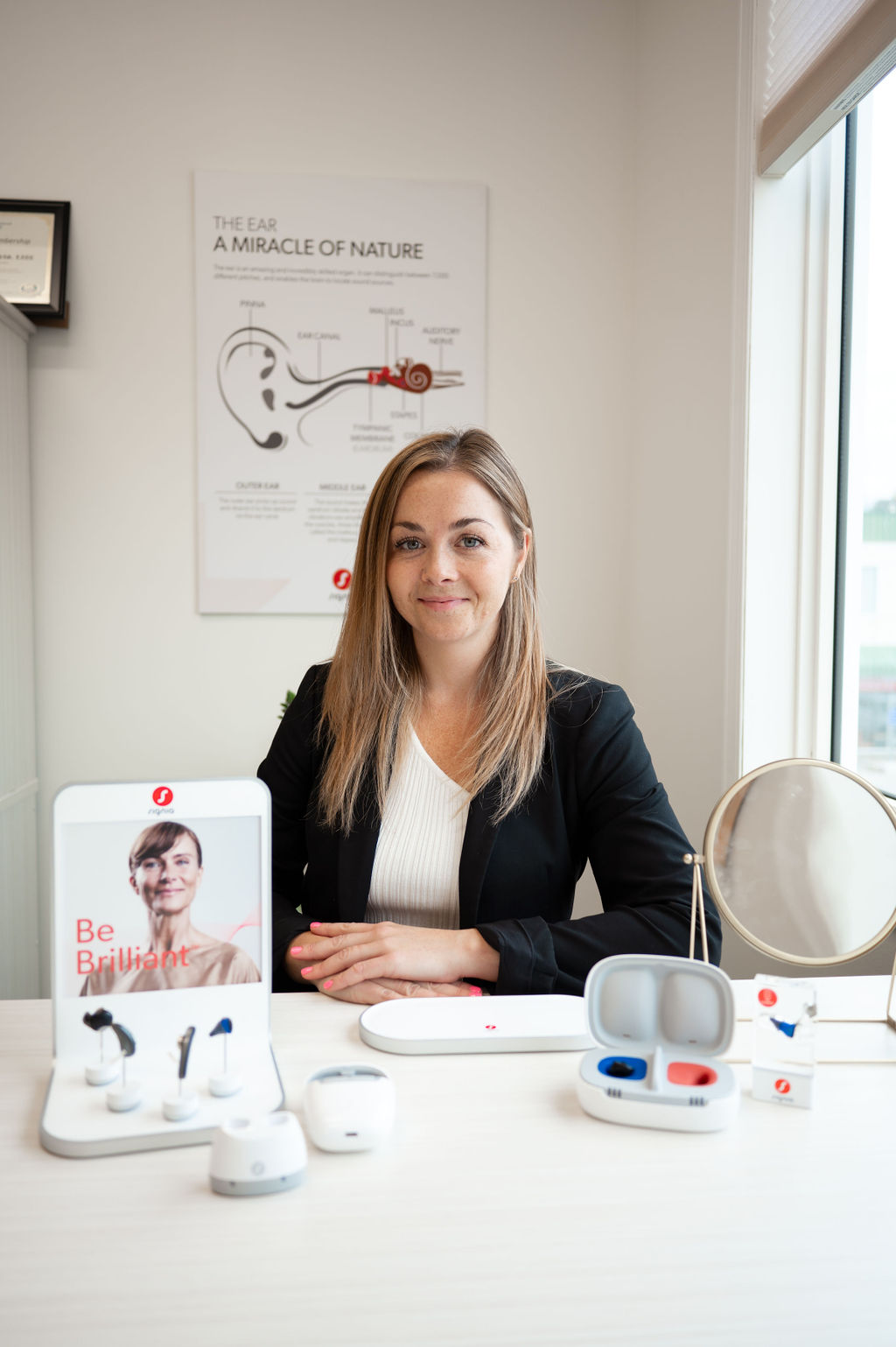
Missing parts of conversation rarely happen all at once. More often, it shows up as asking people to repeat themselves at dinner, struggling to follow grandchildren in the car, or smiling through a group discussion without catching enough of it to feel included. If you are looking for the best hearing aids for conversations, the right choice is usually less about buying the most expensive device and more about matching the technology to the places, voices, and listening challenges that shape your day.
What makes hearing aids better for conversations?
Speech is complicated. A quiet one-on-one talk in your living room is very different from chatting in a restaurant, hearing a cashier through a plexiglass barrier, or following a fast-moving family conversation where several people speak at once. The best hearing aids for conversations are designed to help you focus on speech while reducing the strain caused by background noise, distance, and poor room acoustics.
That does not mean one model is best for everyone. The right hearing aid depends on your hearing test results, your dexterity, your comfort with technology, and where you do most of your listening. Someone who mainly wants easier conversations at home may not need the same level of processing as someone who attends meetings, social events, or church every week.
The features that matter most in conversation
When people compare hearing aids, they often start with brand names. In practice, features and fitting matter more than the logo on the device.
Speech-in-noise performance
This is one of the biggest factors. Many people hear reasonably well in quiet rooms but struggle when there is competing noise. Hearing aids with strong speech-in-noise processing can help reduce steady background sounds and make speech stand out more clearly. That said, no hearing aid can erase noise completely. Restaurants, arenas, and large family gatherings are still challenging environments, even with excellent technology.
Directional microphones
These microphones are designed to focus more on sounds coming from in front of you and less on sounds behind or beside you. That can make face-to-face conversations easier, especially in public settings. If your main goal is following the person across the table rather than hearing every sound in the room, this feature matters.
Automatic environment adjustment
Good hearing aids do not rely on you to constantly change settings. They can detect whether you are in a quiet room, a moving car, or a noisy social space and adjust accordingly. This can make conversations feel more natural because the hearing aid is responding in real time rather than staying in one fixed mode.
Feedback control and comfort
If a hearing aid whistles, feels plugged up, or sounds sharp, you are less likely to wear it consistently. And if you do not wear it consistently, conversations remain difficult. A comfortable physical fit and careful programming are part of good conversation support, even though they are easy to overlook at the shopping stage.
Bluetooth and accessory options
For some people, streaming phone calls directly to hearing aids makes a major difference in day-to-day communication. Remote microphones can also help in very specific situations, such as hearing one speaker across a room or in a noisy restaurant. These tools are not necessary for everyone, but in the right situation they can be very helpful.
Which style works best for conversation?
Style affects both performance and comfort. In many cases, behind-the-ear styles with a receiver in the ear offer the strongest combination of speech clarity, rechargeability, and advanced features. They are often a very good choice for adults who want better hearing in a range of conversation settings.
Custom in-the-ear models can also work well, especially for people who want something more discreet or easier to handle. The trade-off is that very small custom devices may have fewer features, shorter battery life, or less room for powerful directional microphones.
If conversation is the top priority, it is worth being flexible about style. The smallest hearing aid is not always the one that performs best in difficult listening environments.
The best hearing aids for conversations are properly fitted
This is the part many people do not hear enough about. Even excellent hearing aids can disappoint if they are not programmed carefully for your hearing loss and adjusted after real-world use.
A proper hearing evaluation helps identify not only how much hearing loss is present, but where it affects speech understanding. Some people need more support for high-pitched consonants like s, f, and th. Others hear speech but cannot separate it well from background noise. Those details matter when selecting and programming hearing aids.
Follow-up care matters just as much. It often takes a few adjustments to improve sound balance, comfort, and speech clarity in the places that matter to you. A hearing aid is not a pair of reading glasses you pick up off the shelf. It is an ongoing hearing solution that should be tailored over time.
Price matters, but so does value
Many people looking for the best hearing aids for conversations are also trying to make a smart financial decision. That is reasonable. Hearing aids can be a meaningful investment, and price differences between clinics or providers can be confusing.
The most expensive option is not automatically the best fit. In some cases, a mid-level device offers all the conversation support a person needs. In other cases, premium technology is worth it because the person spends a lot of time in complex listening environments. The key is getting an honest recommendation based on your hearing needs, not a one-size-fits-all sales approach.
Transparent pricing also helps. When device costs and professional service costs are clearly explained, it becomes easier to understand what you are paying for and why. That kind of clarity gives patients more control and often leads to better long-term decisions.
Real-life situations to think about before you choose
The best way to narrow your options is to think about the conversations you most want to hear better.
If your biggest frustration is hearing your spouse at home, your needs may be different from someone who struggles at work meetings or community events. If you often talk on the phone, Bluetooth may move higher on your priority list. If you have arthritis or vision concerns, rechargeability and easy handling may matter as much as sound quality.
It also helps to be honest about your listening fatigue. Many adults with untreated hearing loss can still get through conversations, but only by concentrating hard. By the end of the day, they feel drained. A well-fitted hearing aid should not just make sound louder. It should reduce effort and help conversation feel easier again.
What to expect from hearing aids in conversation
Better does not mean perfect. That is one of the most important things to understand.
Hearing aids can improve access to speech, especially in one-on-one settings and many everyday environments. They can help you catch more words, ask for fewer repetitions, and feel more confident socially. But they do not restore natural hearing in every setting. Very noisy spaces, multiple speakers talking over each other, and poor acoustics can still be difficult.
That is why counseling and realistic expectations are part of good hearing care. Patients tend to do best when they understand both the benefits and the limits of their devices. The goal is meaningful improvement, not a promise that every conversation in every environment will suddenly be effortless.
How to make the right choice
If you are comparing hearing aids for conversation, start with a full hearing assessment rather than shopping by advertisement alone. Ask how the recommended devices handle background noise, whether they include directional microphones, and what follow-up support is available after the fitting.
You should also ask practical questions. How easy are the devices to clean? Are they rechargeable? Can they connect to your phone? What happens if your hearing changes? Is service included, or billed separately? Those details affect daily satisfaction more than many people expect.
For patients who want straightforward guidance, clinics that focus on personalized care rather than pressure can make the process much easier. At Windsor Park Hearing Centre, that means taking time to understand how each person communicates, where they struggle most, and which level of technology makes sense for their goals and budget.
The best hearing aid for conversation is the one that helps you rejoin the moments you have been missing, whether that is coffee with a friend, a family supper, or a simple question from across the room that you want to answer the first time.


Comments