

What Happens at a Hearing Test?
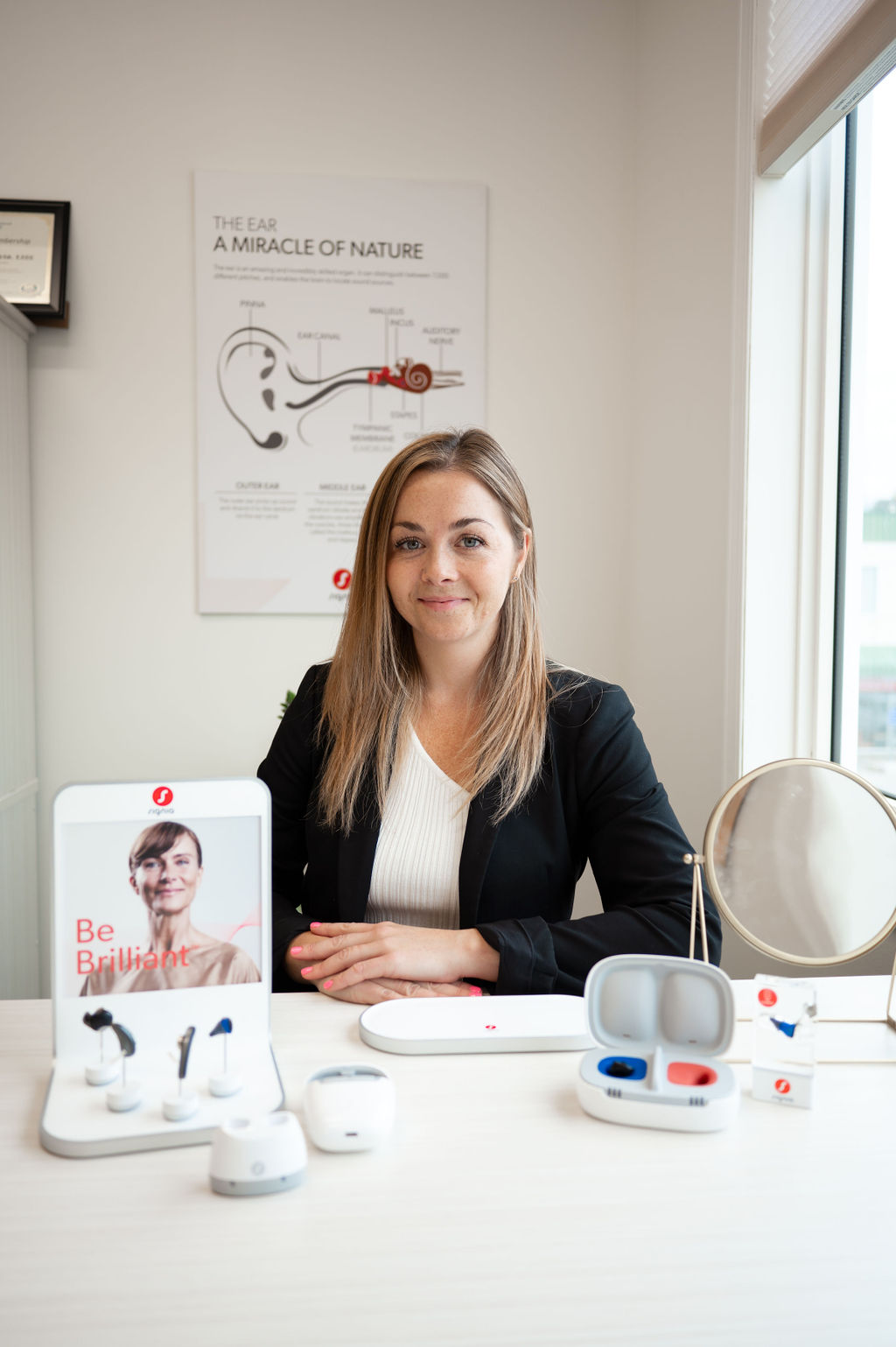
If you have been putting off an appointment because you are unsure what happens at a hearing test, you are not alone. Many adults expect something uncomfortable or complicated, when the reality is usually much simpler. A hearing test is a straightforward, non-invasive way to understand how well you hear and whether certain sounds, speech, or tones are becoming harder to catch.
For many people, the first clue is not complete hearing loss. It is needing the TV louder, asking others to repeat themselves, feeling tired after conversations, or struggling more in restaurants, meetings, or family gatherings. Those changes can happen gradually, which is why a professional assessment can be so helpful.
What happens at a hearing test appointment
A hearing test appointment usually begins with a conversation, not the test itself. Your provider will ask about the changes you have noticed, how long they have been happening, whether one ear seems worse than the other, and if you have symptoms like ringing in the ears, fullness, dizziness, ear pain, or a history of noise exposure.
This part matters more than many people realize. Hearing concerns do not look the same for everyone. A retired adult who struggles in group conversations may have different needs than someone still working in a noisy environment. The goal is to understand how hearing is affecting your daily life, not just to produce a chart.
You may also be asked about medications, past ear infections, family history, previous hearing aid use, or whether wax buildup has been an issue before. If you wear hearing aids already, the provider may also want to know what is and is not working well.
A quick look in the ears
Before formal testing starts, the clinician will usually examine your ears with an otoscope. This is a handheld lighted tool used to look into the ear canal and check the eardrum.
This step can reveal issues such as earwax buildup, irritation, fluid, or signs that may need medical follow-up. Sometimes the reason for muffled hearing is partly or fully related to a blockage. Other times the ear canal looks clear, which helps confirm that deeper testing is the right next step.
If significant earwax is present, testing might still be possible, but it depends on how much the wax is affecting the ear canal. In some cases, wax removal is recommended first so results are more accurate.
The hearing booth and headphones
Most full hearing evaluations include a test in a quiet booth or sound-treated room. You will wear headphones or insert earphones, and you will be asked to respond when you hear sounds.
This is the part most people picture when they think about a hearing test. You may hear a series of beeps or tones at different pitches and volumes, first in one ear and then the other. Each time you hear a sound, you might press a button or raise your hand.
The purpose is to find the softest sound you can hear at several frequencies. This helps create an audiogram, which is a visual record of your hearing levels. It shows whether hearing is within normal range or whether there is a mild, moderate, severe, or more significant hearing loss.
People sometimes worry they will fail the test if they miss sounds. That is not how it works. The point is simply to measure what you hear, not to judge how well you perform.
Speech testing is often just as important
Pure tones tell part of the story, but understanding speech is often the bigger daily concern. That is why speech testing is commonly included.
You may be asked to repeat words presented at different volumes. In some cases, you may also listen to speech with background noise. This helps show not only whether you hear sound, but how clearly you process spoken language.
This distinction matters. Two people can have similar audiograms but very different real-world listening experiences. One may do fairly well in quiet settings and struggle mainly in noise, while another may find even one-on-one conversations frustrating. Speech testing helps connect the test results to the situations that matter most in everyday life.
Middle ear testing may be included
Depending on your symptoms and the type of appointment, your provider may also perform tympanometry or related middle ear testing. This checks how the eardrum moves and whether the middle ear system is functioning normally.
For this test, a small probe is placed in the ear canal. You may feel a change in pressure for a few seconds, similar to the sensation of going up or down in elevation. It is brief and usually well tolerated.
This kind of testing can help identify fluid behind the eardrum, pressure problems, or issues with eardrum movement. It is especially useful when hearing changes feel sudden, blocked, or uneven.
What happens after the hearing test
Once testing is complete, the provider should explain the results in plain language. You should not be left trying to interpret a graph on your own.
A good explanation covers more than whether you have hearing loss. It should also address the type of hearing loss, whether one or both ears are affected, how this may be influencing speech understanding, and what next steps make sense for your situation.
Sometimes the result is reassuring. Your hearing may be within expected limits, and the conversation may shift toward monitoring, ear care, tinnitus support, or communication strategies. In other cases, the test may confirm hearing loss that would likely benefit from treatment.
That does not automatically mean hearing aids are your only option that day. It depends on the degree of loss, your lifestyle, your goals, and whether there are medical concerns that should be addressed first.
If hearing aids are recommended
If hearing aids are discussed, the best appointments stay focused on fit, function, and personal needs rather than pressure. You should have a clear explanation of why amplification may help, what styles might suit you, and what kind of improvement is realistic.
This is also where transparency matters. Hearing care should not feel confusing or sales-driven. Many patients want to understand the difference between device cost and professional services, especially if they are comparing providers or working within a budget. Clear pricing and honest recommendations help people make informed choices instead of rushed ones.
At Windsor Park Hearing Centre, that kind of personalized explanation is central to care. For many adults and families, knowing what they are paying for and why is just as important as the technology itself.
How long does a hearing test take?
A basic hearing screening may take only a short time, but a full diagnostic hearing test usually takes longer. The exact timing depends on your symptoms, whether both ears need complete testing, and whether additional evaluation is needed for tinnitus, earwax, or middle ear concerns.
If this is your first appointment, it is worth allowing enough time for questions. The testing itself is important, but so is the conversation afterward. People often leave feeling relieved simply because they finally understand what has been happening.
How to prepare for your appointment
You usually do not need to do much to prepare. It helps to bring a list of medications, any previous hearing test results if you have them, and your hearing aids if you already use them. You may also want to think about the listening situations that are most frustrating for you, such as church, work meetings, phone calls, or visits with grandchildren.
That practical information can shape the discussion in a meaningful way. Hearing care is most effective when it connects clinical findings with real life.
If you are nervous, tell the provider. Hearing testing is painless, and the instructions are simple, but many people feel more comfortable once they know they can ask questions at any point.
When it is time to schedule a hearing test
If voices seem less clear, if you are withdrawing from conversations, or if family members keep commenting on the volume of the television, it is worth getting checked. Waiting does not make hearing easier to manage. In fact, untreated hearing loss can slowly affect communication, confidence, and social connection.
A hearing test gives you information. Sometimes that information confirms there is no major problem. Sometimes it shows a change you can address earlier rather than later. Either way, there is value in having a clear picture instead of guessing.
The most helpful first step is often the simplest one - ask the question, book the appointment, and let someone walk you through it with care.


Comments