

Hearing Aid Cost Without Bundled Services
- Megan Stanley
- Jun 11
- 6 min read
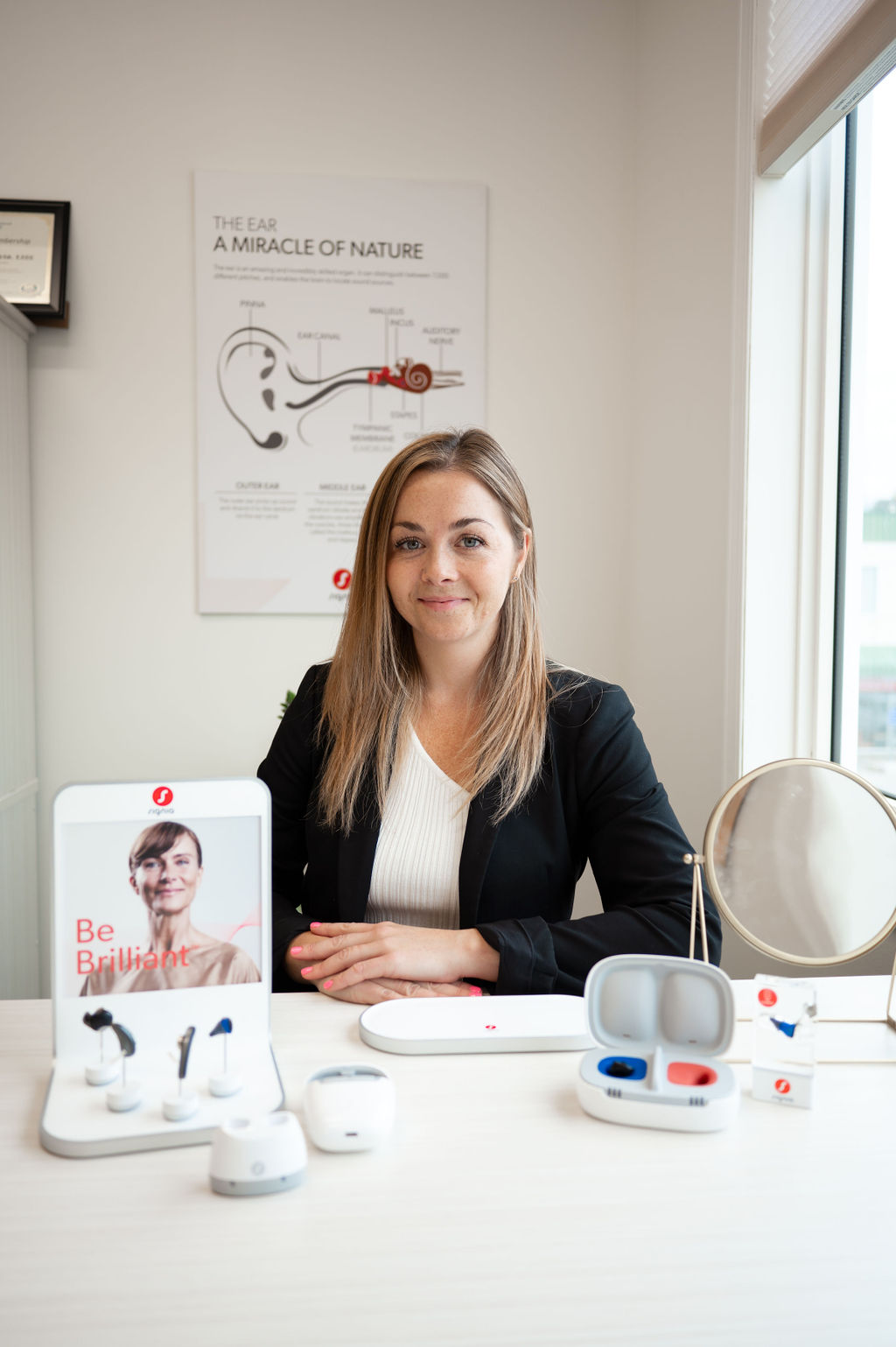
A lot of people ask the same question after their first hearing aid quote: Why is the price so high, and what am I actually paying for? That is exactly where hearing aid cost without bundled services becomes easier to understand. Instead of rolling the device, fitting, follow-up care, adjustments, and support into one large number, unbundled pricing separates those costs so you can see what is technology and what is professional care.
For many adults and families, that clarity matters. Hearing aids are an investment, but hearing care is not one-size-fits-all. Some people want ongoing appointments and regular programming support. Others may need excellent technology with a simpler service plan. When pricing is separated, you have a better chance of paying for what you truly need instead of guessing what is included.
What hearing aid cost without bundled services really means
In a traditional bundled model, the total price often includes the hearing aids and a package of services for a set period of time. That may cover the hearing test, fitting, follow-up visits, cleanings, adjustments, warranty support, and counseling. The challenge is that it can be hard to tell how much of the price is the device itself and how much is the service package.
With hearing aid cost without bundled services, those items are listed separately. You might see one price for the hearing aids, another for the hearing evaluation, and separate fees for fitting, programming, follow-up visits, or specialty care. That structure gives patients a clearer picture of where their money is going.
This does not mean services are less important. Quite the opposite. Hearing aids work best when they are professionally selected, fitted, and adjusted over time. Unbundled pricing simply recognizes that care has value on its own and should be presented honestly.
Why many patients prefer unbundled hearing aid pricing
The biggest benefit is transparency. When prices are itemized, it becomes easier to compare options and ask informed questions. You can tell whether a lower quoted number truly reflects a lower-cost device, fewer included services, or both.
Lower upfront cost is another reason some patients prefer this model. A bundled package may include years of service whether you expect to use it or not. By separating the device from the care plan, clinics can often offer a more accessible starting price for the hearing aids themselves.
There is also more flexibility. A patient who lives nearby and wants regular follow-up can choose that support. Someone else who has used hearing aids before and needs less hands-on help may prefer a different service path. Neither approach is wrong. It depends on hearing needs, comfort level with technology, and how much ongoing guidance is wanted.
What is usually included and what is billed separately
This is where details matter. Every clinic structures pricing a little differently, so it is worth asking for a written breakdown.
In an unbundled model, the hearing aids themselves are usually priced separately from professional services. The device price may reflect the manufacturer level, technology features, rechargeability, Bluetooth capability, style, and warranty terms. Premium features generally raise the device cost, but they do not always mean better value for every person.
Services that may be billed separately can include the diagnostic hearing evaluation, hearing aid fitting appointment, real-ear measurement, follow-up programming visits, wax management, tinnitus support, and ongoing maintenance. Some clinics also offer service packages you can add based on your needs.
That is an important distinction. Unbundled does not mean you are left on your own. It means support is available, but it is priced clearly rather than folded into one number.
Hearing aid cost without bundled services vs traditional packages
A bundled package can still make sense for some people. If you want frequent follow-up care, anticipate several adjustment visits, and prefer one predictable total, a package may feel simpler. Patients who are new to hearing aids often appreciate knowing support is already included.
But bundled pricing has trade-offs. It can make comparison shopping more difficult, and it may create the impression that the hearing aids themselves cost more than they actually do. If the total quote is opaque, patients may delay treatment because the price feels overwhelming.
By contrast, hearing aid cost without bundled services can make treatment feel more approachable. You see the hearing aid price first, then the care options that support success. That tends to lead to better questions and more thoughtful decisions. Instead of asking, "Why is this so expensive?" patients can ask, "Which services do I need now, and which can be added later if needed?"
What affects the cost of the hearing aids themselves
Even without bundled services, hearing aid prices vary quite a bit. That is because the device cost is influenced by several factors beyond the basic label of hearing aid.
Technology level is a major one. More advanced hearing aids may perform better in challenging listening environments like restaurants, family gatherings, or meetings with background noise. They may also offer features such as smartphone control, rechargeable batteries, directional microphones, tinnitus masking options, and automatic adjustments for different environments.
Style also affects price and suitability. Behind-the-ear and receiver-in-canal options are common because they fit many hearing losses and are often easier to manage. Smaller custom styles may be more discreet, but they are not ideal for everyone and can be harder to handle if dexterity or vision is limited.
Your hearing loss profile matters too. Some people need more power, more programming precision, or special accessories to support better communication. The right recommendation should fit not only your audiogram, but also your daily life, budget, and comfort.
The part many people overlook - professional care matters
When patients focus only on device cost, they can miss the role of proper hearing care. A hearing aid is not like a pair of reading glasses picked off a shelf. It is a medical device that should be selected and programmed based on your hearing test results, listening goals, ear anatomy, and real-world challenges.
That is why service fees should not be viewed as unnecessary extras. Accurate testing, careful fitting, verification, and follow-up adjustments are often the difference between hearing aids that sit in a drawer and hearing aids that become part of daily life.
Transparent pricing respects that reality. It does not hide care inside the product price, and it does not pretend that the product alone solves the problem. It shows patients that both pieces matter.
Questions to ask when comparing hearing aid pricing
If you are reviewing quotes, ask for a simple breakdown. What is the price of the hearing aids alone? What services are included right now? What follow-up visits cost if billed separately? Are warranties, repairs, or loss coverage included? Is there a trial period or return policy?
You should also ask how the recommendation was made. Were multiple technology levels discussed? Was your lifestyle considered? Are there entry-level options that still meet your communication needs? A trustworthy clinic should be comfortable walking through those questions without pressure.
At Windsor Park Hearing Centre, the unbundled approach is designed to give patients that kind of clarity. The goal is not to push more services than necessary, but to help people understand their options and choose care that fits their situation.
Is unbundled pricing right for everyone?
Not always. Some patients prefer an all-in-one package because it feels straightforward and easier to budget. Others like knowing every adjustment for the next few years is already covered. There is nothing wrong with that preference.
Unbundled pricing tends to work especially well for practical buyers who want transparency, adults comparing options for the first time, and families trying to understand insurance or health spending coverage. It can also be a good fit for experienced hearing aid users who know what level of follow-up they are likely to need.
The best choice depends on more than price alone. It depends on how much support you want, how complex your hearing needs are, and whether you value flexibility over a prebuilt package.
Better hearing should not feel confusing. When pricing is clear and care is personalized, people are more likely to move forward with confidence instead of putting off help they already know they need. If a clinic can explain both the device cost and the service cost in plain language, that is usually a very good sign.



Comments