

Best Hearing Aid Style for Seniors
- Megan Stanley
- Jun 14
- 6 min read
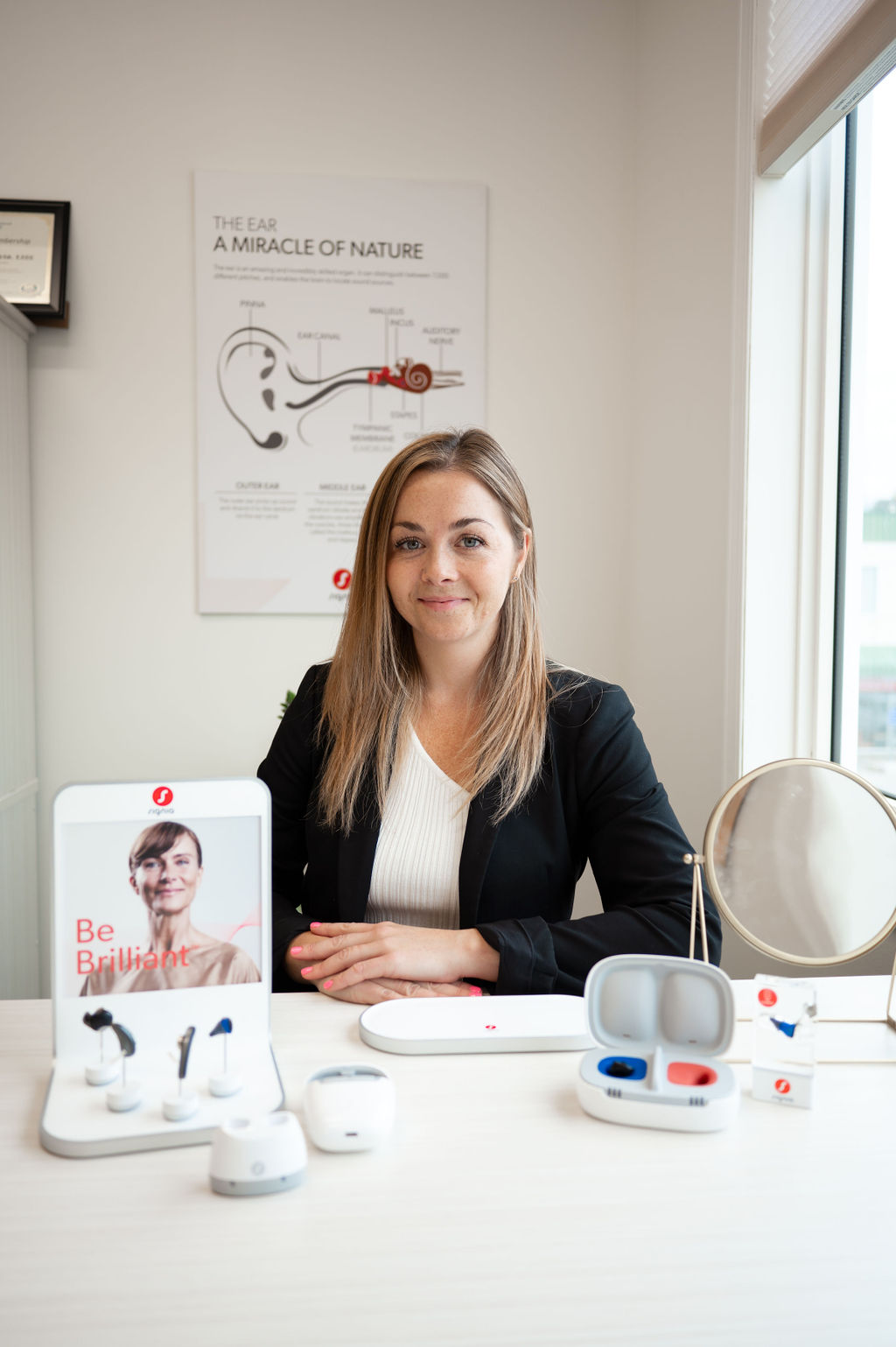
A hearing aid that looks discreet in the office may feel frustrating at home if the batteries are hard to change or the controls are too small to manage. That is why the best hearing aid style for seniors is rarely about appearance alone. It usually comes down to a mix of hearing needs, hand dexterity, comfort, lifestyle, and how much support a person wants after the fitting.
For many older adults, the right style makes everyday life easier in very practical ways. It can mean hearing a grandchild at the dinner table, following a church service, catching medication instructions, or talking on the phone without strain. The good news is that there is no single "senior" hearing aid. There are several styles, and each one suits a different kind of listener.
How to choose the best hearing aid style for seniors
The most useful place to start is with hearing loss itself. Some styles work well for mild hearing loss, while others can handle moderate to severe loss more effectively. After that, comfort and ease of use matter just as much.
A person with arthritis, reduced vision, or numbness in the fingertips may struggle with a very small in-ear device, even if it is cosmetically appealing. Someone who wears glasses every day may worry that a behind-the-ear model will feel crowded, but many people adjust well once the fit is correct. There is always a trade-off, and that is why a proper hearing assessment and style discussion matter more than a quick online comparison.
Behind-the-ear and receiver-in-canal styles
For many seniors, these are the most practical options. A behind-the-ear hearing aid rests behind the ear and connects to a custom earmold or a small dome in the ear canal. A receiver-in-canal model is similar, but smaller, with the speaker placed in the ear canal rather than in the main body of the device.
These styles are often recommended because they are easier to handle than tiny in-ear models. The controls are usually simpler to feel and adjust, and rechargeable options are widely available. That can be a major advantage for anyone who finds disposable batteries difficult to manage.
They also offer strong sound performance and can fit a wide range of hearing losses. If hearing loss changes over time, these models can often be adjusted without needing to switch styles right away. Many also include features seniors ask about most, such as better speech clarity in noise, Bluetooth connectivity, and directional microphones.
The downside is that they are more visible than some custom in-ear devices. For some people, that matters. For others, once they realize how much easier these styles are to use, appearance becomes less of a concern.
Are in-ear devices the best hearing aid style for seniors?
In-ear hearing aids can be a good fit for the right person, but they are not automatically the best hearing aid style for seniors. These devices include in-the-ear, in-the-canal, and completely-in-canal designs. They are custom made to fit the ear and are often chosen because they sit more discreetly than a behind-the-ear model.
For seniors with mild to moderate hearing loss and good hand control, an in-the-ear style can work very well. It is larger than the smaller canal models, so it is often easier to insert and remove. Some people also like that there is no device resting behind the ear.
Smaller custom options, such as in-the-canal or completely-in-canal hearing aids, are a bit more complicated. They may be less visible, but they can also be harder to handle, clean, and adjust. They tend to have smaller batteries, fewer onboard controls, and less room for power or advanced features. Earwax and moisture can also be more of an issue because the device sits deeper in the ear.
That does not mean these styles are wrong. It simply means they require a careful match. If appearance is a high priority and dexterity is not a concern, a custom in-ear option may still be a very good solution.
Comfort matters more than most people expect
When patients ask what style is best, they often expect the answer to focus only on hearing performance. Comfort is just as important. A hearing aid that sounds good but feels irritating is less likely to be worn consistently.
This is especially true for seniors who wear glasses, use oxygen tubing, or have sensitive skin around the ears. A well-fitted receiver-in-canal device can feel surprisingly light, while a poorly fitted custom earpiece can create pressure or soreness. Fit is not a minor detail. It affects whether hearing aids become part of daily life or stay in a drawer.
This is one reason personalized care matters. A style that works beautifully for one person may be uncomfortable for another with the same hearing test results. Real-world use tells us as much as the audiogram does.
Rechargeable vs disposable batteries
Battery type is not exactly a style, but it strongly affects which style is best for an older adult. Rechargeable hearing aids are often easier for seniors because they remove the need to handle small batteries. At the end of the day, the devices go into a charger and are ready by morning.
For many people, that convenience outweighs almost everything else. It reduces frustration, especially for those with arthritis, tremor, or low vision. It also makes it easier for a spouse or family member to help.
Disposable batteries still have a place. Some users prefer them during travel or in situations where charging may be inconvenient. But if battery changes are already a struggle, a rechargeable behind-the-ear or receiver-in-canal model is often the easier path.
Lifestyle can change the right answer
A quiet home life and an active social calendar place different demands on hearing aids. A senior who mostly wants clearer one-on-one conversation may do well with a simpler setup. Someone who attends family gatherings, volunteers, goes to restaurants, or joins group activities may benefit from more advanced noise management and microphone technology.
Phone use matters too. If someone talks on a cell phone often, streams audio, or wants television listening support, style and feature compatibility become more important. Not every hearing aid style offers the same flexibility.
This is also where transparent guidance helps. More technology is not always better. Some seniors need advanced features. Others do not. Honest recommendations should reflect how a person actually lives, not just what is newest or most expensive.
Common concerns seniors have about hearing aid styles
Many adults worry that larger devices will whistle, feel bulky, or look obvious. Modern hearing aids are far more refined than older generations, and a proper fitting reduces many of these concerns. Others assume smaller must be better. In practice, smaller sometimes means harder to use and less adaptable.
Another common issue is maintenance. Seniors who produce a lot of earwax or have recurring ear canal irritation may do better with a style that keeps more of the device outside the canal. That makes cleaning easier and can reduce service needs.
Budget is another real consideration. Different styles come at different price points, especially when technology levels and rechargeable features are included. A clinic that explains device cost separately from service cost can help patients understand what they are paying for and avoid feeling pushed into more than they need. That kind of clarity can make decision-making much less stressful.
So what is the best hearing aid style for seniors?
For many older adults, receiver-in-canal hearing aids strike the best balance. They are usually comfortable, easy to manage, suitable for many levels of hearing loss, and available with rechargeable batteries and modern sound features. That is why they are often a strong first recommendation.
But they are not right for everyone. Some seniors do better with a traditional behind-the-ear model because they need more power or an easier-to-handle shape. Others prefer an in-the-ear device because it feels simpler or more natural for them. The best choice depends on hearing loss, dexterity, vision, ear shape, lifestyle, and personal preference.
At Windsor Park Hearing Centre, these conversations are part of making hearing care feel clear and personal rather than overwhelming. The goal is not to steer someone toward a certain style. It is to help them find the one they will actually wear, benefit from, and feel comfortable using every day.
The right hearing aid should make life easier, not more complicated. If a style supports clear conversation, feels manageable in your hands, and fits comfortably into your routine, that is usually the right place to start.



Comments